Home › Destinations › South Korea
Travel South Korea · Updated August 2026
South Korea Travel Guide 2026: Trip Cost, K-ETA Rules & How Many Days
What Korea costs per day, whether the K-ETA applies to you, when to go, how many days Seoul really needs, and how a Korea trip compares with Japan — updated for 2026.
South Korea rewards a first-time visitor and a fifth-time visitor differently — this guide covers both. Below: when to go, what to eat, the culture worth understanding before you land, where to go beyond the obvious stops, and the practical stuff (money, transit, safety) that makes the trip smooth.
1. Seoul's Old Meets New
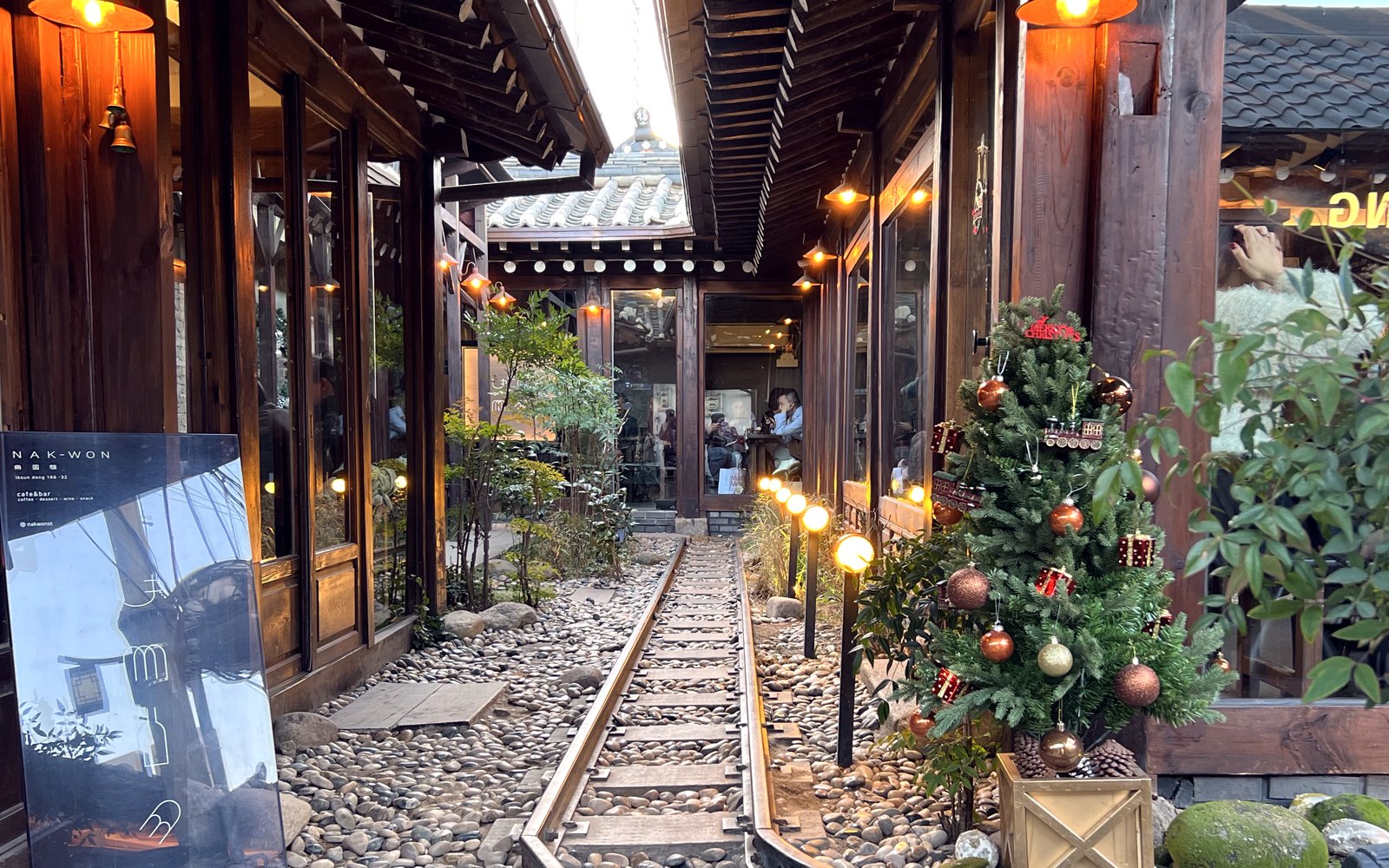
Seoul layers Joseon dynasty palaces beside glass towers in a city that has reinvented itself multiple times in the past 70 years. Hallyu fans often pair Seoul's palaces and neighborhoods with day trips to the most iconic Winter Sonata filming locations on Nami Island and in Chuncheon — research specific drama filming sites rather than assuming they are all in the capital. Sanmotoonge, a hanok-turned-café, shows old architecture adapting to modern life. The Seoul Olympic Museum, revamped in 2021, is now interactive with VR and full Olympic history. Walk from Gwanghwamun through Gyeongbokgung, Bukchon Hanok Village, and finish in Insadong.
2. Food & Banchan Culture
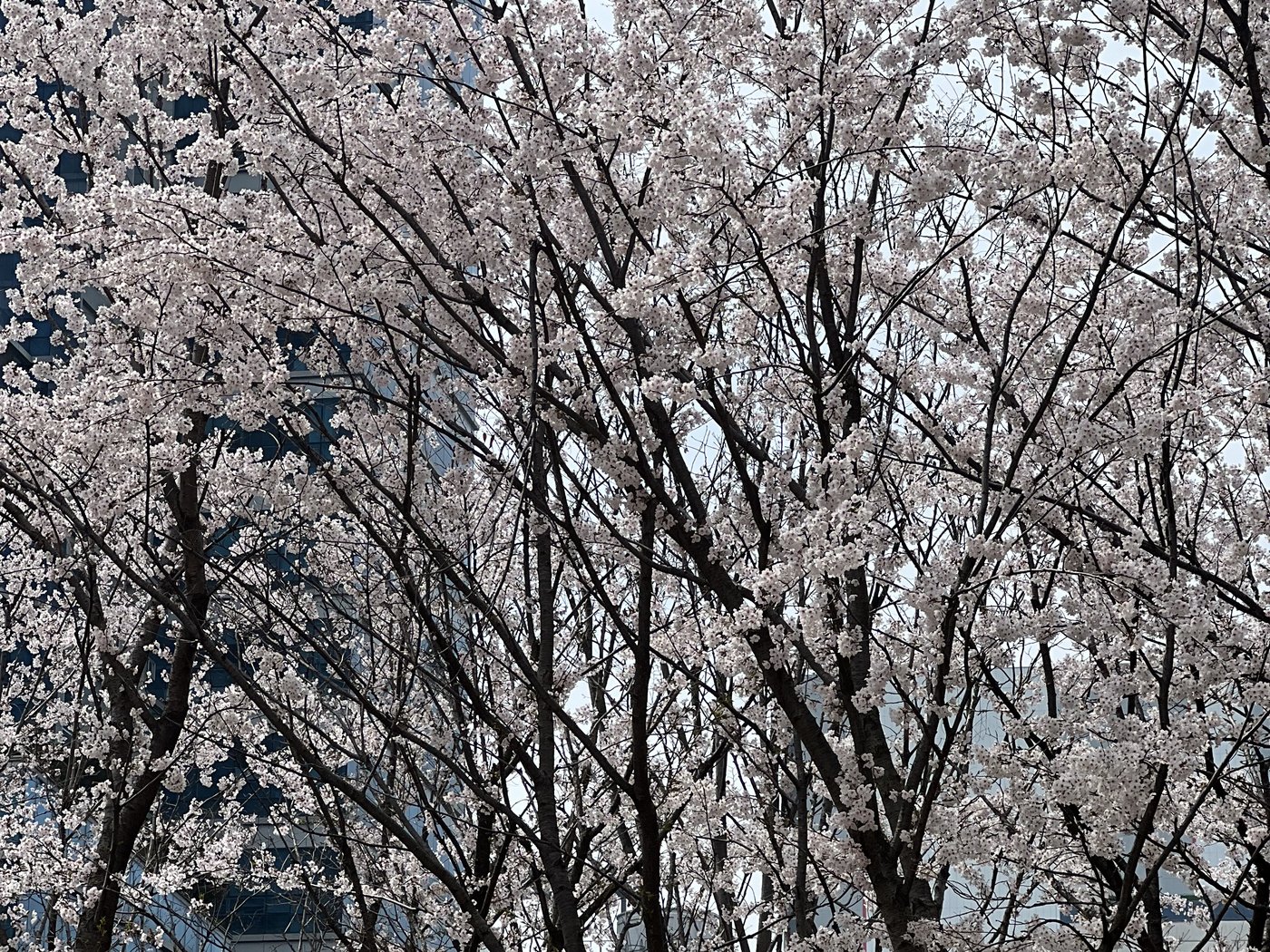
Korean food spans every budget, built around endless banchan (side dishes) that come free and are silently refilled throughout the meal. Markets bustle with fresh kimchi preparation in giant onggi jars. Gwangjang Market in Seoul, dating to 1905 (Korea's first permanent market), is legendary for bindaetteok and mayak gimbap. Makgeolli (rice wine) finds new life in hanok bars. The country's communal dining culture (nun-chi, situational tact) means hosts watch your needs before you express them.
3. K-Drama, K-Pop & Night Markets
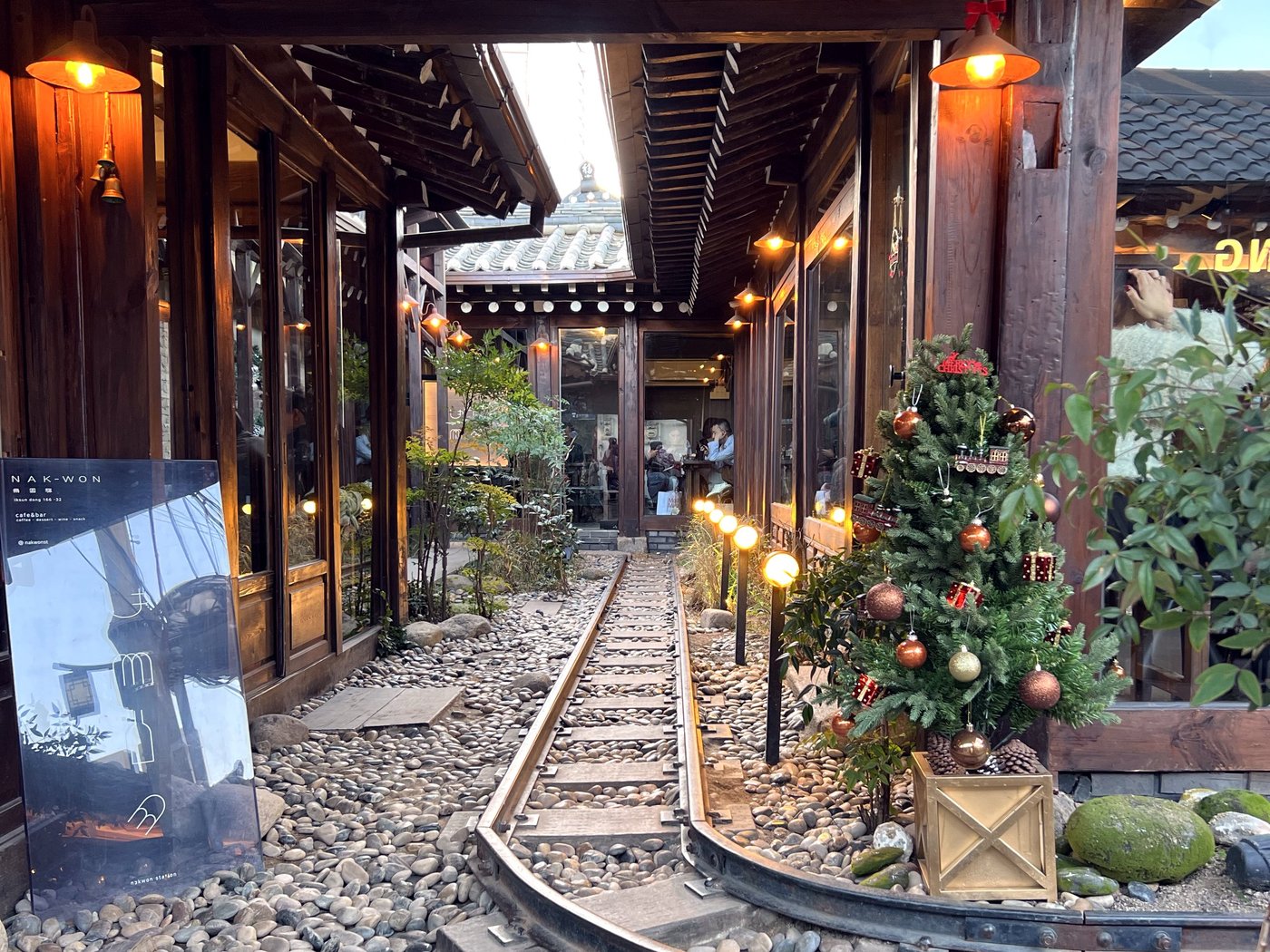
Seoul wears its pop culture proudly. Drama and K-pop filming locations draw fans worldwide. Summer night markets bring food trucks and live music. Apgujeong's fashion district shows the polished side; Hongdae and Ikseon-dong reveal makgeolli dens and tteok stalls. The Banpo Bridge Moonlight Rainbow Fountain — a Han River water-and-light show — pumps up to 190 tons of water per minute with jets reaching approximately 43 meters, making it one of Seoul's most popular evening experiences. Seoul's energy is genuinely nocturnal by design.
4. Palaces, Mountains & DMZ
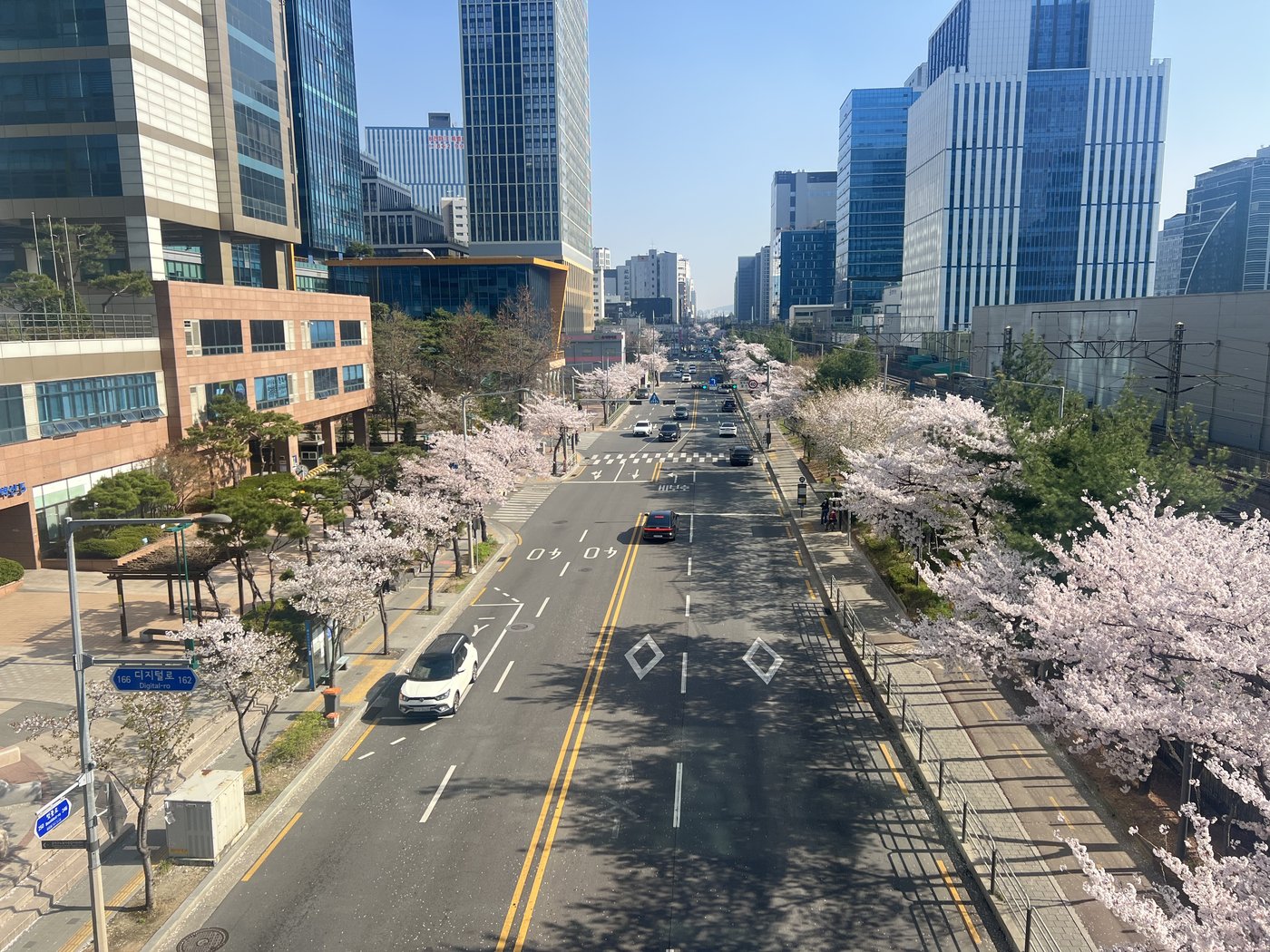
Gyeongbokgung anchors Korean history with Guard-Changing ceremonies. Changdeokgung and its Secret Garden are UNESCO-listed. Hikes up Bukhansan or Namsan offer skyline views; Seoul is among the few world capitals where mountain hiking is a subway ride away. The DMZ — Joint Security Area at Panmunjom, the Third Tunnel, Dora Observatory — frames the peninsula's division viscerally.
5. Getting Around & Money
Seoul's subway is clean, cheap, and English-signed on major lines; announcements come in Korean and English on all trains serving tourist areas. T-money or Cashbee cards work on transit, convenience stores, and vending machines. Credit cards are widely accepted; cash helps at markets. Kakao T makes taxi hailing easy for foreigners. Etiquette leans formal: bow, use two hands when giving, remove shoes at homes and jjimjilbangs. Never pour your own drink. Emergency: 112 / 119.
6. Budget, Who It's For & Common Mistakes
Budget: KRW 45,000–70,000 | Mid-range: KRW 100,000–180,000 | Luxury: KRW 300,000+
Approximate USD: $30–50 / $68–125 / $205+
Best for: Food lovers, K-pop and K-drama fans, night-market explorers, city-culture seekers, budget travelers, tech lovers, spa and wellness travelers.
First-trip planning answers
Do I need a K-ETA for South Korea in 2026?
It depends on your nationality and the current exemption list, which Korea has repeatedly revised — a number of countries including the US, UK, Canada and Australia have spent recent periods temporarily exempted from the K-ETA requirement. Because the list changes with little notice, check the official K-ETA site for your passport before booking, and apply only through the official portal if you do need one. Separately, all arrivals complete an electronic arrival card.
How much does a trip to South Korea cost per day?
Budget travellers run about ₩70,000–100,000 a day (roughly $50–75) with guesthouses, street food and subway travel. Mid-range is ₩160,000–250,000 (about $115–180). Korea is generally cheaper than Japan for food and accommodation, and its intercity KTX trains cost less than the shinkansen.
South Korea or Japan — which is better for a first trip?
Japan if you want variety across cities, deeper traditional sights and world-class rail. Korea if you want a cheaper, more concentrated, more contemporary trip — Seoul alone can carry a week, nightlife runs later, and the food scene is more accessible to a nervous eater. Korea is also easier on a short trip because so much of it is reachable from one base.
How many days do you need in Seoul?
Five days for Seoul itself covers the palaces, three or four neighbourhoods, a hike and a night out without rushing. Seven to ten days for the country lets you add Busan (two and a half hours by KTX), Gyeongju for the historic sites, or Jeju for a couple of days.
What is the best time to visit South Korea?
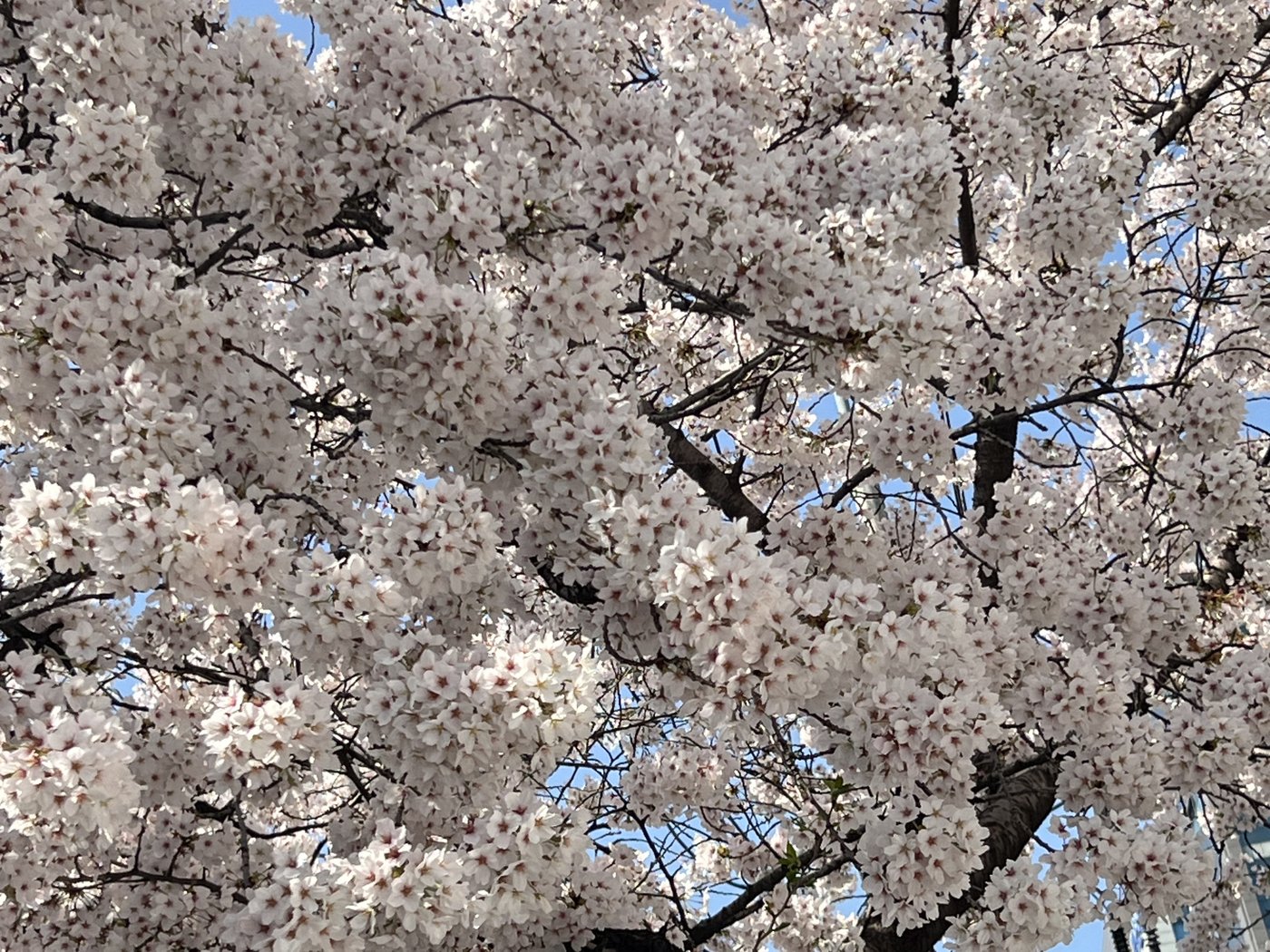
Late April to early June and mid-September to early November. Autumn foliage in October is the single best window. Avoid the June–July monsoon and the humid August peak; January and February are cold but clear, and ski season is genuinely good value.
The Seoul First-Timer Travel Planner
An 18-page printable planner for a first trip to Seoul: neighbourhood-by-neighbourhood itinerary pages, a T-money and subway cheat sheet, a won budget tracker, day-trip pages, and the dining and drinking etiquette that Korean friends will not correct you on.
Get the Seoul planner$13 · instant PDFWhat to actually pack for South Korea
Korea is a Type C/F country with brutal seasonal extremes and the best convenience-store food on earth. Pack for the weather and let the country handle the rest.
- A Type C/F plug adapter — Korea uses Type C and F at 220V — the same shape as continental Europe, not Japan.
- A Korea eSIM — Naver Map and Kakao Map are essential and Google Maps is crippled in Korea by mapping law.
- Comfortable walking shoes — Seoul is hilly and you will average well over 20,000 steps.
- A compact umbrella — The June–July monsoon (jangma) is heavy and reliable.
- Thermal base layers — Seoul winters routinely hit −10°C with wind off the Han.
- A Korean phrasebook — Learning to read Hangul takes about two hours and transforms menus and signage.
Joriu is a member of the Amazon Associates programme. The links above are affiliate links — if you buy through one, we earn a small commission at no extra cost to you. We only list gear we would pack ourselves, and a commission never buys a place on this list.
Joriu has no ads, no paywall and no sponsored placements — the guides are free because a few readers chip in. If this saved you an hour of research, you can buy us a coffee.
— J.K.
Prices, seasons, and entry requirements change — always confirm current details before booking. This guide is general travel information, not legal or financial advice.